The seventh cluster, Collaborative Leadership, Organizational Development, Political Acumen, Patience, and Gratitude, addresses a leader's ability to work through other people and durable institutions. Nations are not built by a single individual. They depend upon leaders capable of forming coalitions, developing organizations, and earning the trust necessary for collective action.
31. Collaborative Leadership
Definition: Combining the knowledge and abilities of others to accomplish what no individual could achieve alone.
Timelessness: Complex political problems extend beyond the capacity and tenure of any one leader, making collective intelligence essential.
Abraham Lincoln's “Team of Rivals” approach brought former political opponents with different strengths into the same administration to navigate the Civil War.
Eleanor Roosevelt's work on the Universal Declaration of Human Rights required her to build consensus across significant cultural and ideological divisions.
Dwight Eisenhower's management of the Allied coalition during World War II similarly demonstrated how multiple nations could be coordinated toward a shared objective. Nelson Mandela later brought former adversaries into his government, making reconciliation structural rather than merely symbolic.
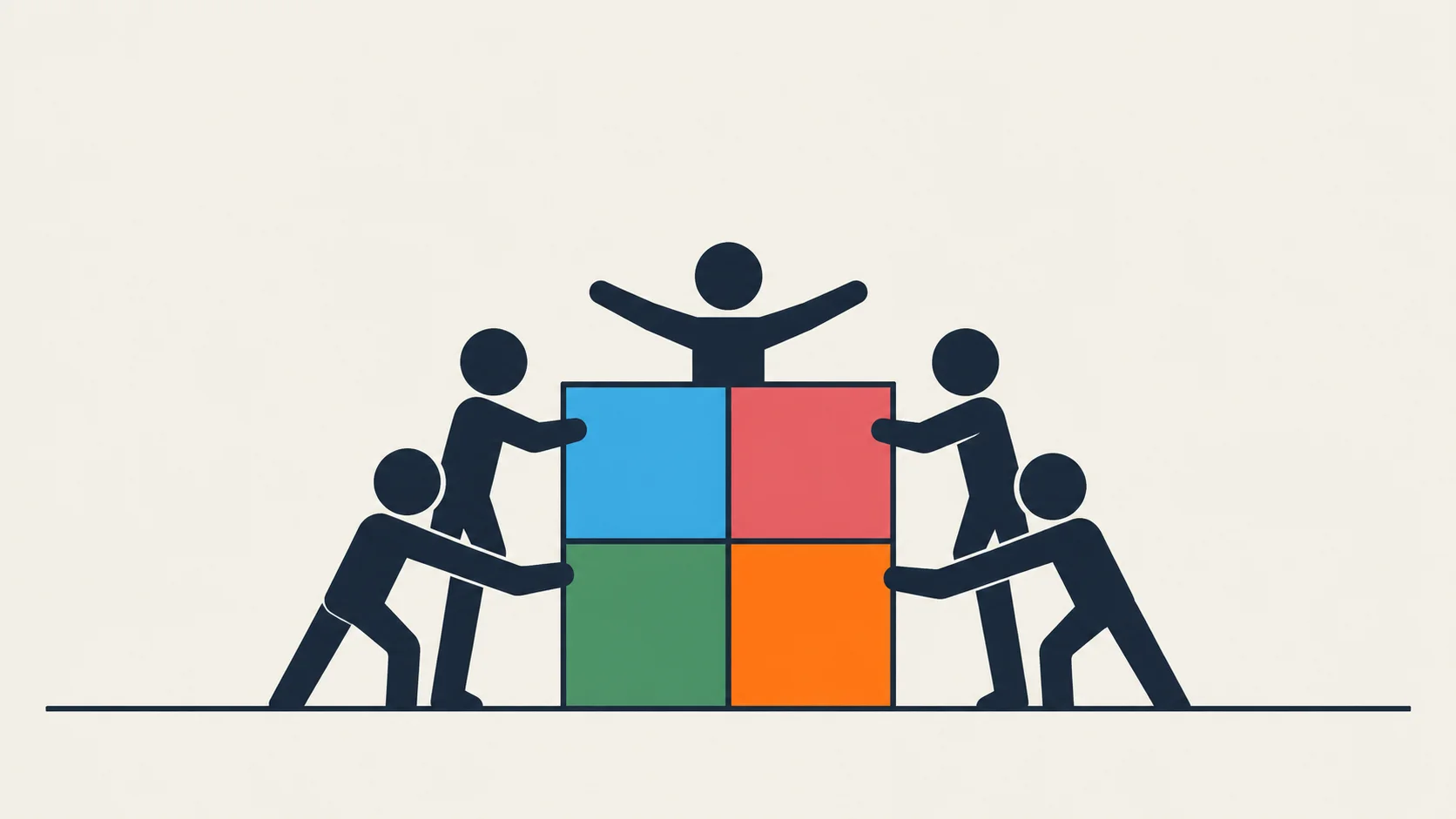 RivalsOne cabinet
32. Organizational Development
Definition: Constructing the institutions, systems, and talent necessary for government to function effectively.
Timelessness: Individual leaders eventually leave office, while the institutions they create may continue shaping political outcomes for generations.
George Washington's establishment of the Cabinet and other presidential precedents influenced the executive branch for centuries.
Frances Hesselbein's transformation of Girl Scouts USA demonstrated how organizational development could renew a large, established institution.
Jean Monnet designed European frameworks that eventually developed into the modern European Union. Lee Kuan Yew similarly transformed Singapore by establishing a governmental system known for discipline and efficiency.
33. Political Acumen
Definition: Understanding power, timing, procedure, and coalition-building well enough to convert political objectives into laws and agreements.
Timelessness: Political ideals cannot produce results unless leaders understand how to advance them through existing institutions.
Lyndon Johnson's use of legislative procedure and personal relationships to pass civil rights legislation remains a prominent example of political acumen.
Otto von Bismarck's diplomacy unified Germany through carefully sequenced actions and shifting coalitions. Franklin Roosevelt's construction of the New Deal coalition likewise required a sophisticated understanding of different constituencies and political interests.
34. Patience
Definition: Maintaining effort and composure through prolonged negotiations or setbacks while waiting for the appropriate moment to act.
Timelessness: Most significant political achievements develop over years rather than through immediate victories.
Abraham Lincoln waited for the Union to gain military momentum before issuing the Emancipation Proclamation, recognizing that timing would influence its political and strategic effect.
William Wilberforce's twenty-year campaign against the slave trade required persistence despite repeated failures.
George Mitchell's years of shuttle diplomacy eventually contributed to the Good Friday Agreement and the conclusion of decades of conflict in Northern Ireland. Nelson Mandela similarly endured decades of imprisonment without abandoning hope or allowing his suffering to become a desire for vengeance.
35. Gratitude
Definition: Recognizing the contributions and sacrifices of others and expressing appropriate appreciation.
Timelessness: Gratitude strengthens loyalty while reminding leaders that their accomplishments depend upon people beyond themselves.
George Washington's repeated acknowledgment of his soldiers' sacrifices helped maintain the loyalty necessary to sustain the Continental Army.
John F. Kennedy was similarly willing to credit the staff members and supporters who contributed to his political success.
Queen Elizabeth II's public expressions of gratitude toward healthcare workers and citizens during the COVID-19 pandemic demonstrated how appreciation could reinforce social solidarity during a crisis.
Why This Cluster Matters for WATT
Washington's presidency was fundamentally concerned with institution-building. Lincoln converted rivals into collaborators, while Jefferson's political strengths were often more evident in ideas than in organization. Theodore Roosevelt, on the other hand, excelled in coalition-building, reform, and the energetic use of presidential institutions.
The popular image of leadership frequently centers upon a lone heroic individual. In reality, effective leadership is rarely solitary. It is the product of coordinated people, functioning institutions, political judgment, sustained patience, and an awareness of others' contributions.
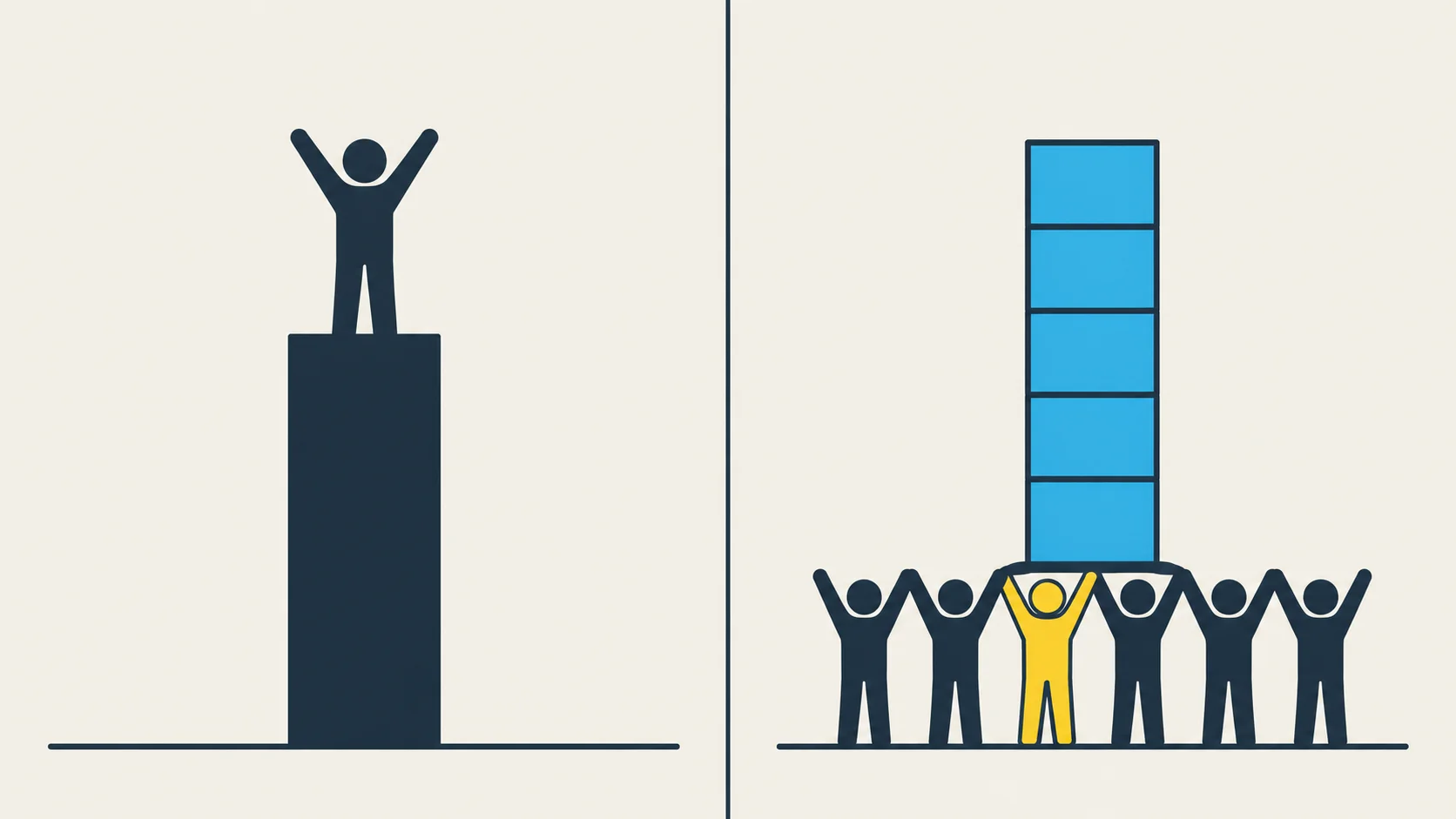 The myth: one heroThe reality: a team