Most of us know a watt as a measure of power.
On Polipad, WATT measures something different: how a political leader is perceived across a set of leadership attributes.
The name comes from the four presidents depicted on Mount Rushmore: George Washington, Abraham Lincoln, Thomas Jefferson, and Theodore Roosevelt.
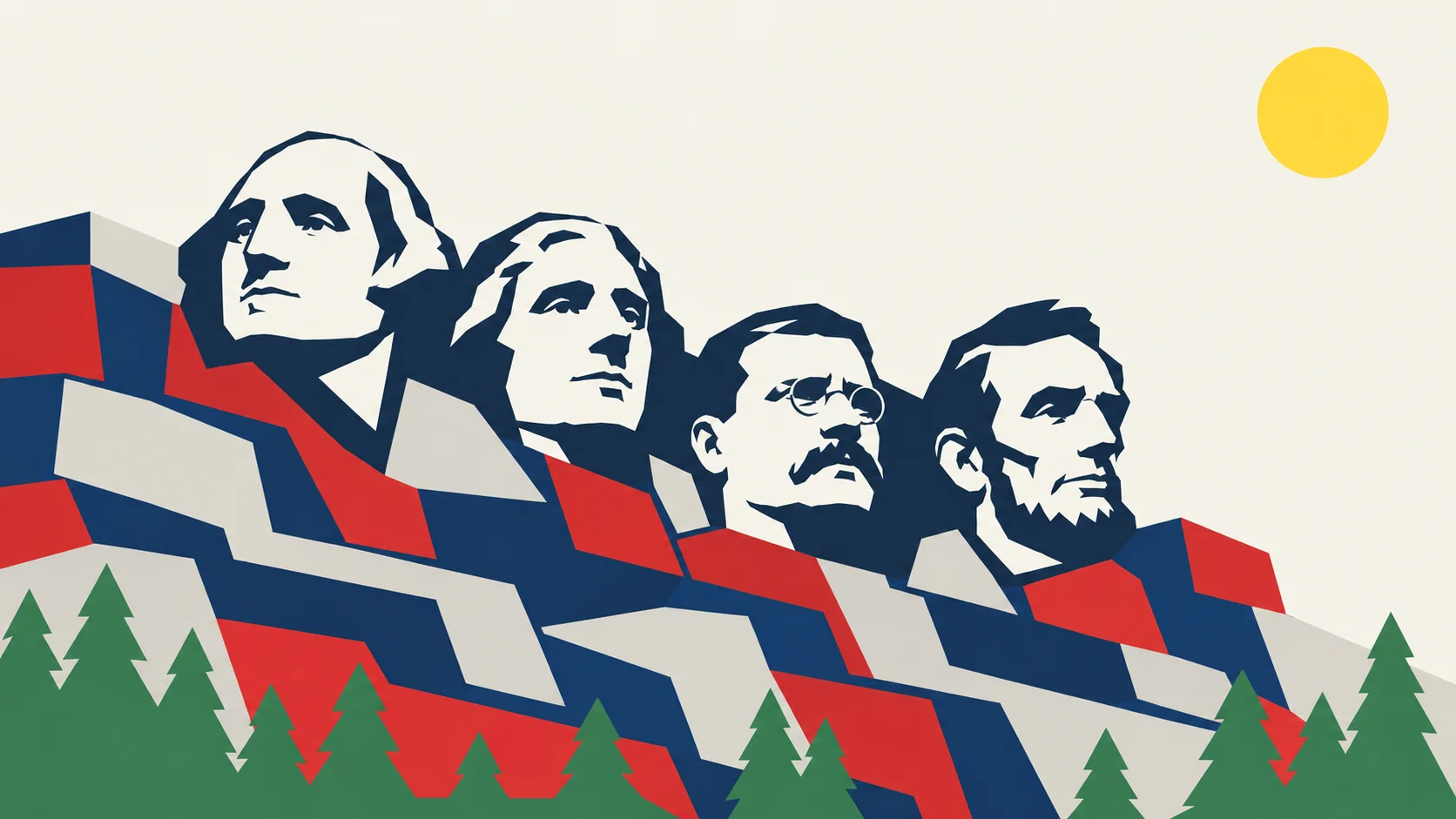 WashingtonJeffersonRooseveltLincoln
But can you even measure leadership?
Not in absolute terms. And certainly not perfectly objectively.
Leadership has too many ingredients: honesty, integrity, reliability, judgment, communication, courage, and more. How do you put numbers on attributes like those?
That was our problem.
We wanted a simple index that could communicate a leader's relative strengths and weaknesses. It did not have to be perfect or completely objective.
It just needed to be directionally close.
Traditional political models were not enough for what we wanted to do with Polipad, so we had to get creative.
Building a Reference Point
Measuring something often becomes easier when you compare it with a reference.
We chose the four Mount Rushmore presidents as our reference set. Then we researched and selected 40 timeless leadership attributes.
Next, we went to Project Gutenberg and analyzed biographies, autobiographies, collected writings, and other historical material related to the four presidents.
We started with 27 historical books containing roughly 155,000 sentences. After cleaning out headers, footnotes, and lines that said nothing about character, about 27,000 sentences were left to analyze.
We ran those sentences through Aspect-Based Sentiment Analysis, or ABSA, to estimate how strongly each leadership attribute appeared in the text.
Then we created someone who never existed.
We called him Leader X.
For each of the 40 attributes, Leader X inherited the strongest result found among the four reference presidents. In other words, Leader X was a composite leader: the strongest observed attribute from one president, combined with the strongest from another, and so on.
Leader X became our theoretical ceiling.
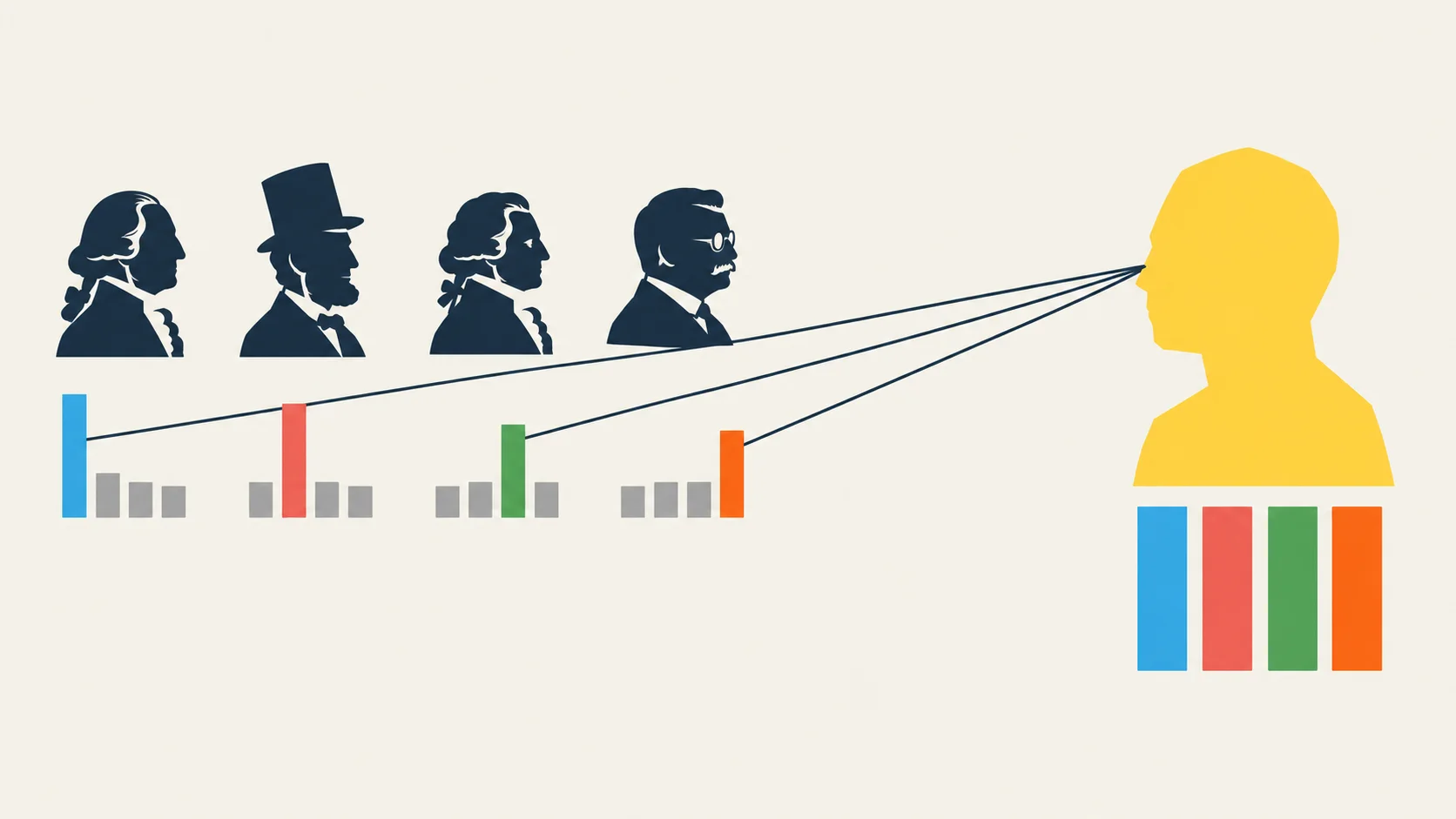 WashingtonLincolnJeffersonRooseveltLeader X = 100
Patterns, Not Isolated Quotes
WATT looks for patterns, not isolated quotes. One flattering article, or one harsh attack, should not define a leader.
That is why we added what we call the "one puff piece can't inflate a score" guard.
If an attribute appears only once or twice, it receives relatively little weight. If the same attribute appears repeatedly across the evidence, our confidence in it increases.
The idea is simple:
Frequency matters.
One flattering sentence should not carry the same weight as an attribute that appears again and again.
But frequency creates another problem.
Famous politicians get more coverage, so WATT does not reward someone just for appearing in the news more often. Instead of counting mentions, we measure how strongly each leadership trait comes through when it is mentioned, then average those values.
A candidate covered in 60 articles and one covered in 1,200 are scored on the same scale.
We call this attribute density.
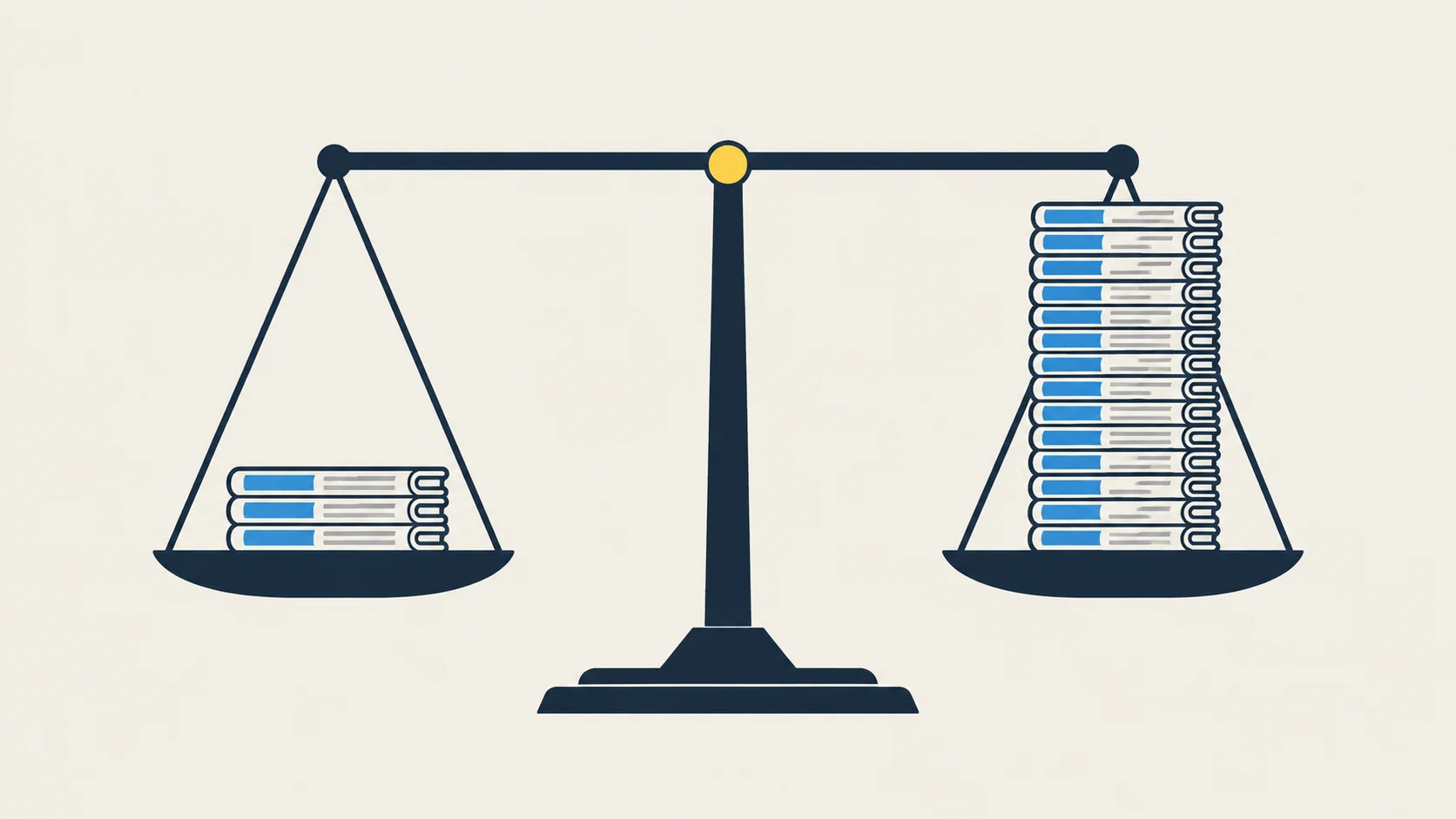 60 articles1,200 articlesSame scale
Applying WATT to Candidates
We then apply a similar workflow to contemporary candidates.
We collect recent coverage, identify evidence related to the same leadership attributes, and analyze the text using ABSA.
We also look for negative leadership attributes.
Unlike the positive benchmark used to construct Leader X, negative attributes can reduce a candidate's result, and more serious attributes receive greater weight than less serious ones.
Why?
A leader should not be able to compensate for a serious breach of trust simply by scoring highly in charisma or communication.
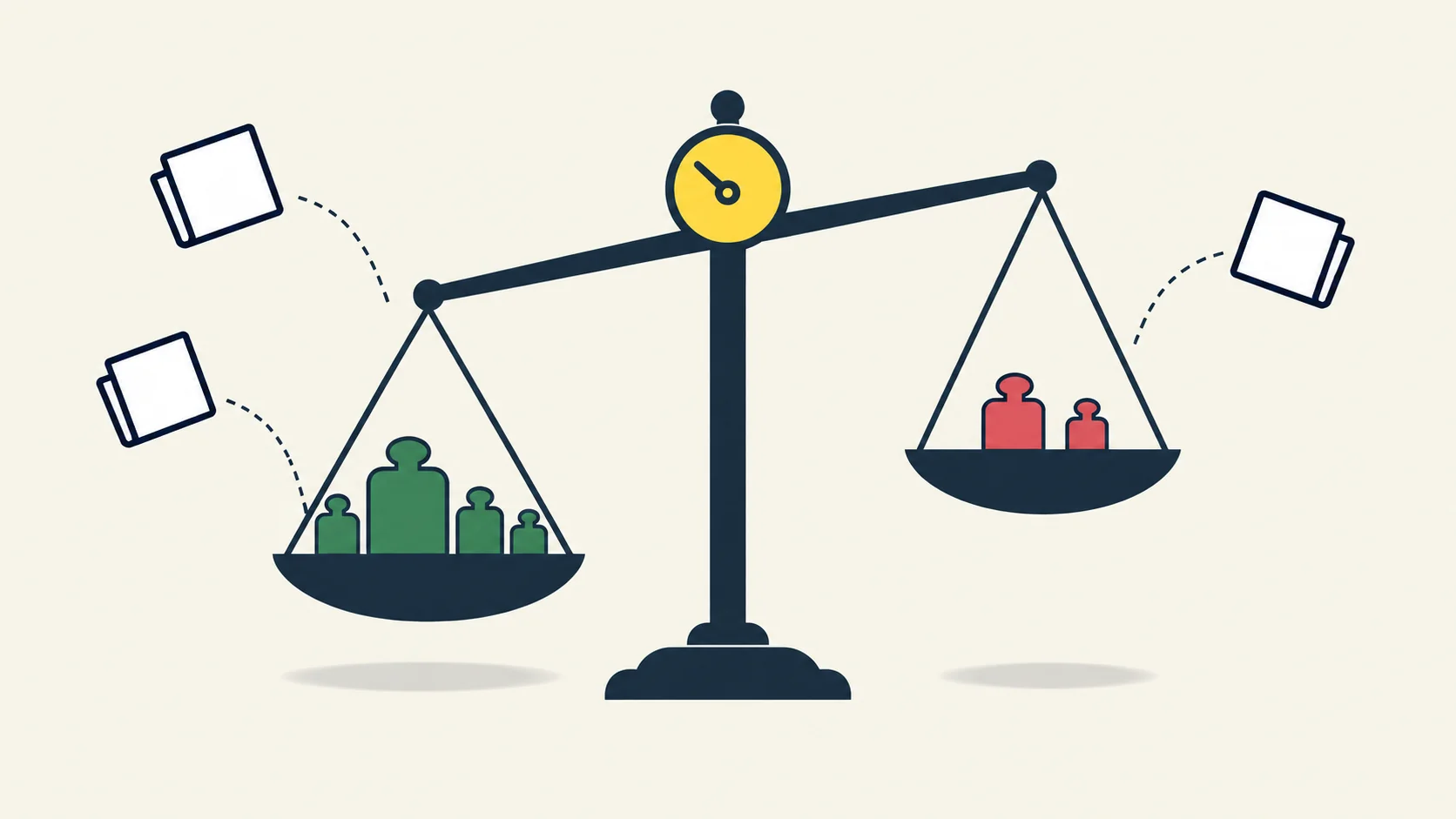 40 positives13 negatives
The score also shouldn't be a black box. Wherever possible, readers should be able to trace an attribute back to the evidence that produced it.
The goal is not simply to produce a number; the evidence behind the number matters.
Then There Is Media Bias
A candidate may be described very differently depending on the source covering them.
We therefore use media-bias classifications as another input to the model. AllSides, for example, classifies media sources as Left, Lean Left, Center, Lean Right, or Right using methods that include multipartisan editorial reviews and blind bias surveys.
Unexpected evidence carries more weight.
Praise from a source that normally leans against a candidate tells us something different from predictable praise coming from an aligned source.
So praise from a source that leans against the candidate receives somewhat more weight. Praise from a politically aligned source receives somewhat less weight. Coverage from sources classified near the center receives the baseline weight.
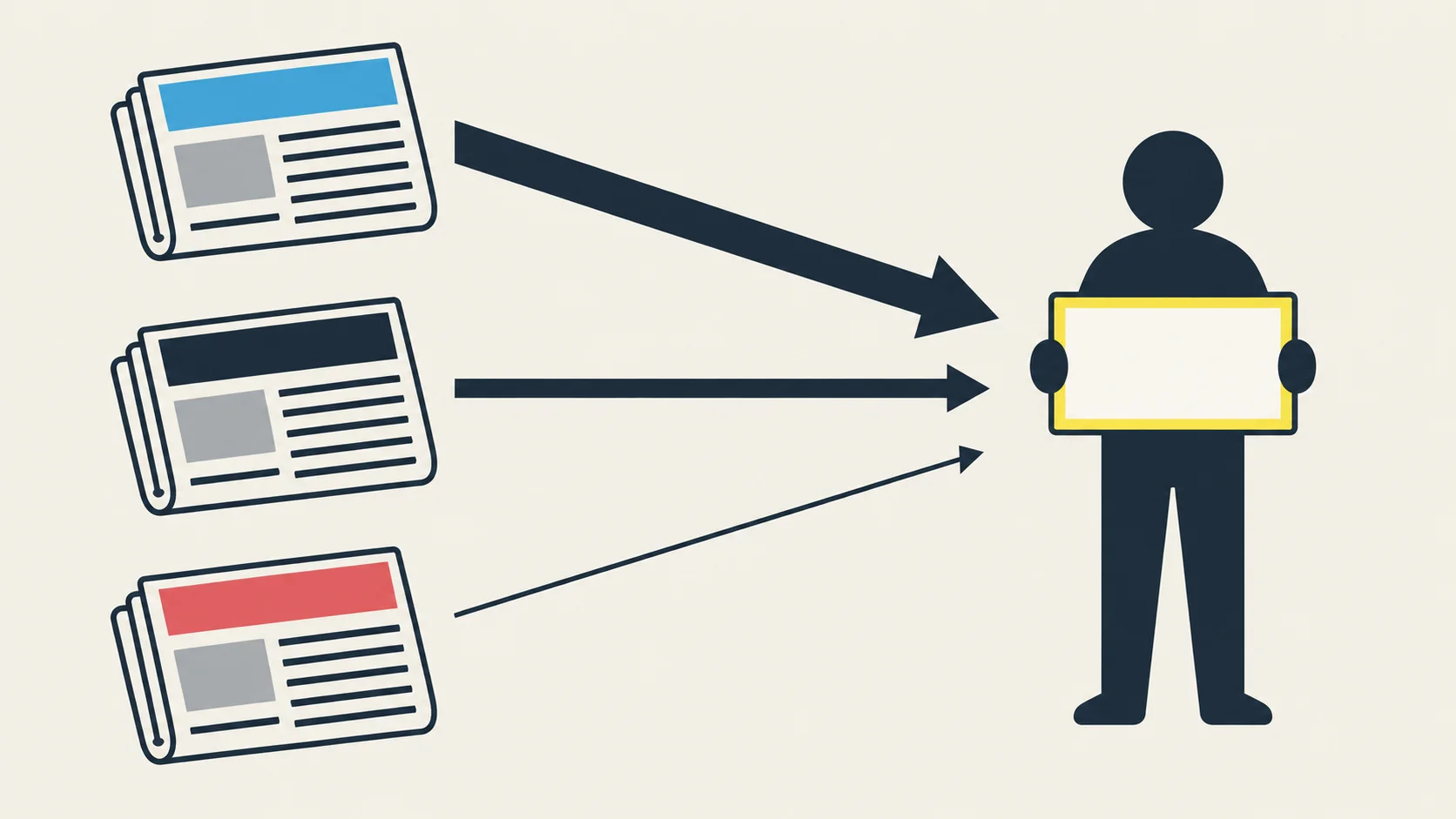 Opposing outlet · 1.2xCenter · 1.0xAligned outlet · 0.8xCandidate
The purpose is not to pretend media bias can be mathematically eliminated.
It can't.
The goal is simply to reduce its influence.
What WATT Is, and Isn't
This may be the most important part.
WATT measures perception, not performance. Performance gets its own score, from hard data.
WATT is not an absolute measurement of leadership ability.
It is better understood as a perception index: a structured estimate of how strongly certain leadership characteristics appear in the body of material being analyzed.
So WATT is answering one specific question:
How does this person appear to lead based on the evidence we analyzed?
It is not trying to answer a different question:
How well has this person actually performed at solving problems?
Those are two different things, and Polipad measures them separately.
The quality of WATT therefore depends on the quality, quantity, diversity, and recency of the material being analyzed, as well as the assumptions built into the model.
We did not pursue perfect objectivity because we don't believe it's possible here.
We wanted something more modest:
a consistent way to turn a large amount of messy information into a directionally useful signal.
The 40 Leadership Attributes
These are the positive attributes WATT looks for, grouped the way our analysis groups them.
| Integrity & Character | Strategic & Crisis Competence | Collaboration & Temperament | Execution & Operations |
|---|---|---|---|
| Integrity & Honesty | Crisis Management | Collaborative Leadership | Fiscal Responsibility |
| Ethical Leadership | Decisiveness | Empathy | Economic Understanding |
| Transparency | Resilience & Endurance | Emotional Intelligence | Political Acumen |
| Accountability | Courage | Humility | Cultural Intelligence |
| Authenticity | Adaptability | Communication Skills | Curiosity |
| Civic Responsibility | Problem-Solving | Conflict Resolution | Innovative Thinking & Creativity |
| Commitment to Justice | Strategic Thinking & Delegation | Diplomatic Skill | Learning Agility |
| Focus on the Common Good | Long-term Planning | Negotiation Skills | Optimism |
| Gratitude | Visionary Thinking | Organizational Development | |
| Service-Oriented Mindset | Patience | ||
| Risk-Taking | |||
| Self-Awareness & Discipline | |||
| Charisma |
The Negative Attributes
These are the attributes that pull a score down. Each one is the shadow of a positive attribute above. The most serious, a breach of trust, costs the most. A fixable weakness, like poor communication, costs the least.
| Negative attribute | Shadow of | Severity |
|---|---|---|
| Corruption / Dishonesty | Integrity & Honesty | Terminal |
| Toxic / Abuse of Power | Ethical Leadership | Terminal |
| Panic / Neglect | Crisis Management | Terminal |
| Blame-shifting | Accountability | Terminal |
| Arrogance / Narcissism | Humility | Systemic |
| Callousness | Empathy | Systemic |
| Manipulativeness | Emotional Intelligence | Systemic |
| Authoritarianism | Collaborative Leadership | Systemic |
| Visionlessness | Visionary Thinking | Systemic |
| Indecisiveness | Decisiveness | Systemic |
| Cowardice | Courage | Systemic |
| Fragility / Burnout | Resilience & Endurance | Operational |
| Poor Communication | Communication Skills | Operational |