Ever gone to an auto mechanic with a plumbing problem? I guess not.
Yet every election, we do something oddly similar: we hire leaders before we have a clear picture of what actually needs fixing.
Almost all professional transactions have a few common actions:
- Prepare the list of problems to solve;
- Find people qualified to solve it. You check their experience, reputation, and past work.
- Hire the vendor.
That's just logical!
But all logic goes out the window when we pick a political candidate. Candidates tell us what the problems are. Campaigns tell us why their candidate is the answer. News outlets tell us what deserves our attention. Social media turns up the volume.
By Election Day, we may know the slogans better than the problems.
What if we started with the problems instead?
That question led us to Robert.
Robert is the ideal voter. He believes that voting is the most powerful right he has, and that voting without research is reckless. So before every election, he does something almost no one can.
Before an election, Robert first asks, "What is actually going wrong where I live?" He starts with the problems, not the politics.
So he digs into government data on things people care about: housing, jobs, healthcare, crime, energy, education, pollution, broadband, and more. He pulls data from 14 public databases, including the Census Bureau, the Bureau of Labor Statistics, the Bureau of Economic Analysis, the Federal Reserve, the FBI, the EIA, the EPA, the CDC, NOAA, the FCC, the FEC, GovTrack, Congress.gov, and the Biographical Directory of Congress. Then he compares his state with the rest of the country.
Why?
Because something can sound like a crisis without being one, and a genuine crisis can exist without making the evening news.
So Robert checks the news, too
He reads hundreds of articles about his state's problems and compares the story being told with what the numbers say. Where do they agree? What is being exaggerated? What isn't getting enough attention?
Only then does Robert turn to the candidates
Robert examines hundreds, sometimes more than a thousand articles about each candidate to understand the kind of leader each appears to be. Honest? Courageous? Collaborative? Effective under pressure?
And he doesn't treat every article equally.
If a friendly news outlet praises a candidate, Robert is cautious. If an opposing outlet praises the same candidate, he pays more attention. Criticism is weighed in the same spirit. The goal isn't to pretend bias doesn't exist. It is to account for it consistently.
Robert examines bills, votes, committee work, campaign funding, and other public records.
He asks not simply, Do I like this person? but Does this person have a record that suggests they can solve the problems my state actually has?
What needs fixing?
Who appears capable of fixing it?
Then, and only then, he votes.
 1 · Problems2 · News3 · Candidates4 · Vote
There is just one problem
Robert doesn't exist.
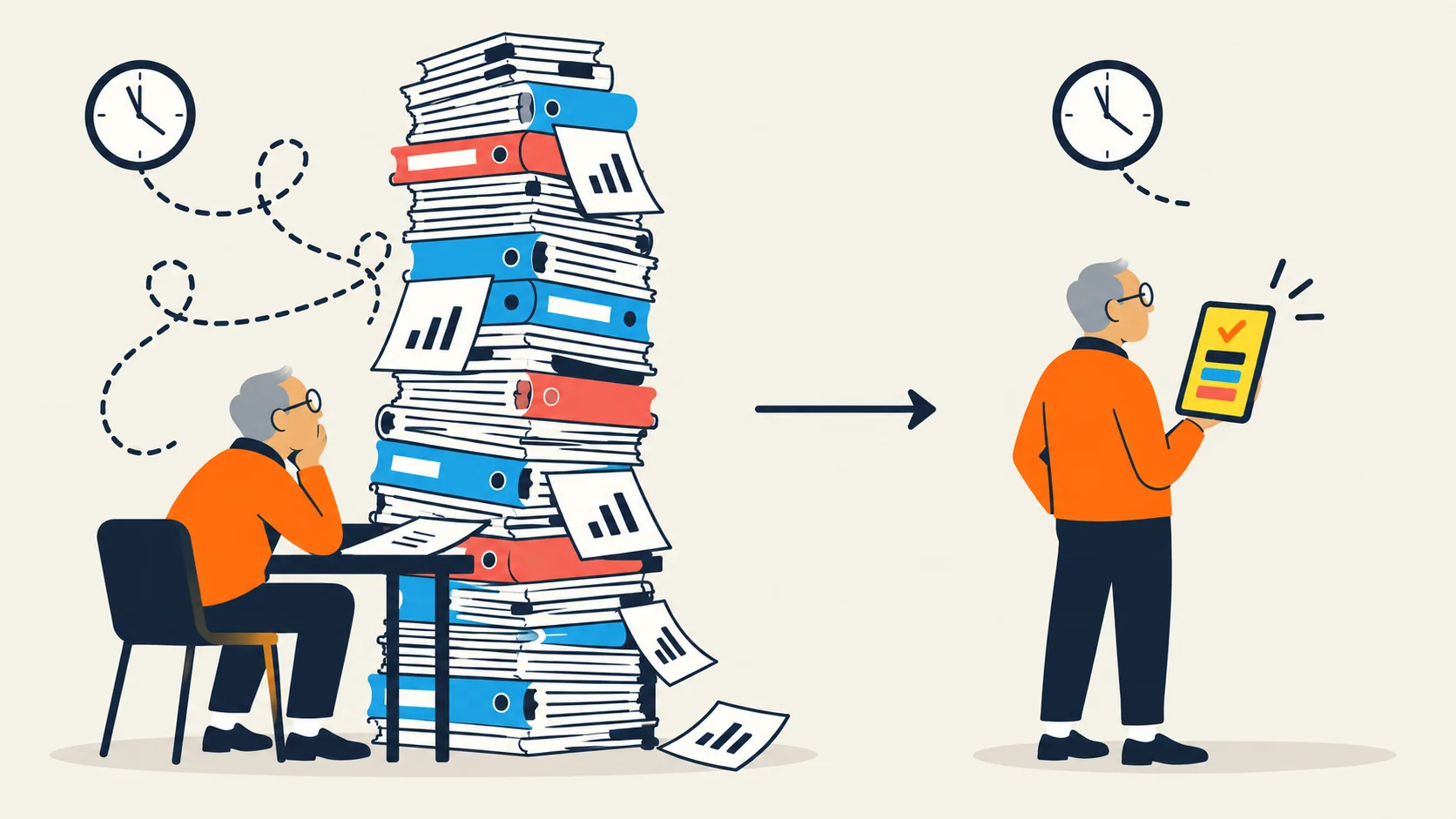
Most of us regular people don't have the mind of a statistician with thousands of hours to research. Life's in the way!
That is why we built Polipad
Polipad is our attempt to simulate Robert — to do the homework an extraordinarily diligent voter would do if time were no object. It measures problems using hard data, examines how those problems are portrayed in the media, evaluates candidates through public records and coverage, and puts the pieces together in a form ordinary voters like us can actually use.
 WeeksMinutes
Polipad is nonpartisan.
Polipad is nonprofit.
Polipad turns anyone into Robert.
Now, you just add your judgment, and then vote.
Pure objectivity is an unattainable goal, but Polipad takes you pretty close to it.
Identify the problems. Understand the candidates' quality deeply, regardless of their party. Vote responsibly. It's your greatest political power.